120 Buck Road Holland, PA 18966

The cosmetic dental procedure of composite bonding has become increasingly popular in recent years. It is an effective and affordable way to transform a smile, making it appear more natural. Dental bonding is continually advancing, and the advances made since 2026 will make treatment more effective and fluid than ever. Whatever the issue, chip, crack, or gap, composite bonding is an aesthetic and lasting fix that seamlessly matches your current smile.
Advancements in dental care and treatment mean people increasingly want natural-looking results. Composite bonding, and indeed more modern techniques and treatments, can achieve results in some cases that are indiscernible from natural teeth. This procedure uses a composite resin that matches the color of the natural tooth and reshapes and rebuilds the existing tooth, giving subtle yet refined results. In Holland, the increase in this minimally invasive treatment is on the rise.
Why Opt for Composite Bonding in 2026?
Still a top option for smile improvement in 2026, composite bonding is an ideal treatment choice for various cosmetic dental issues due to its flexibility, natural finish, and durability.
From chips to an entirely new smile shape, composite bonding can help improve your teeth dramatically without looking out of place; it’s easy to see why it’s the preferred option:
- Versatile for all Cosmetic Issues: Composite bonding can help fix chips, cracks, and discoloration, and close gaps or reshape your smile.
- Natural Look: The resin can be matched perfectly to your natural teeth, producing subtle, ‘invisible’ results.
- More Durability and Stain Resistance: The composite materials we now use at Smile Dentistry are extremely hard and stain-resistant, making your smile last and stay pristine for longer than ever.
- Little Preparation of the Teeth: Unlike many other cosmetic dental treatments, such as veneers and crowns, which may require removing a lot of enamel from your existing teeth, composite bonding typically requires very little or no preparation at all.
- Rapid Results: Composite bonding is generally performed with minimal fuss as an extremely quick, minimally invasive procedure, often completed within a single dental appointment.
What’s New in Composite Bonding Trends for 2026?
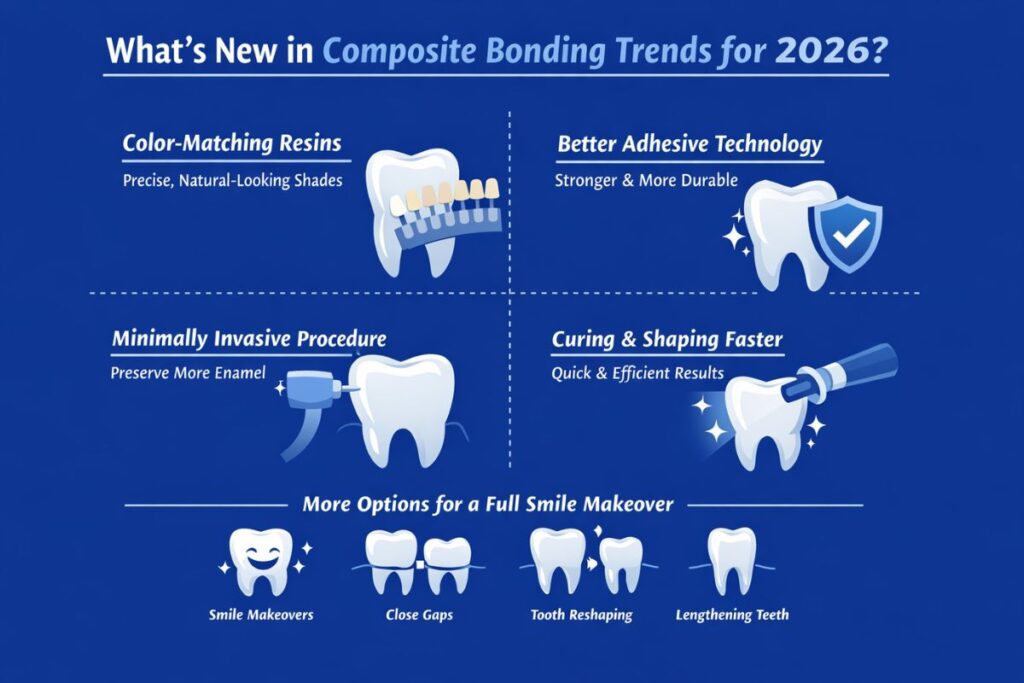
By 2026, there will be further developments in the dental profession to improve the time, efficiency, and overall appearance of the composite bonding procedure. The following are a few of the trends that dentists will continue to follow:
1. Color-Matching Resins
The more advanced resin shades are developed in 2026, the more natural-looking a patient’s teeth will be. The color varieties for dental bonding in Holland are becoming more widespread, and the color will more precisely match your natural tooth enamel. Especially beneficial in cases where a patient’s teeth are not the standard color white.
2. Better Adhesive Technology
The technology behind the adhesion has come a long way. In 2026, bonding resins to enamel is much more effective at preventing chipping, decay, and staining. This means your procedure is much more reliable.
3. Minimally Invasive Bonding Procedure
Patients can experience minimal discomfort with the minimally invasive bonding procedure in 2026. Instead of preparing as much of the tooth, the minimally invasive process will preserve more enamel, and the patient will be able to walk out with better-looking teeth than they came in with.
3. Curing & Shaping is Faster than Ever!
Curing of composite bonding will be much faster in 2026, leaving you with a quicker, more efficient visit to the dentist’s office. Experts say modern bonding materials cure more evenly, leaving teeth with a smooth, polished finish.
4. More Options Available for Bonding
Dentists primarily use composite bonding to repair chipped and cracked teeth. However, in 2026, dentists widely use it to create full smile makeovers, close gaps between teeth, improve tooth shape, and lengthen teeth affected by worn enamel.
How Composite Bonding Helps with Aesthetic Dental Concerns
Composite bonding can be used to address a multitude of aesthetic concerns, including:
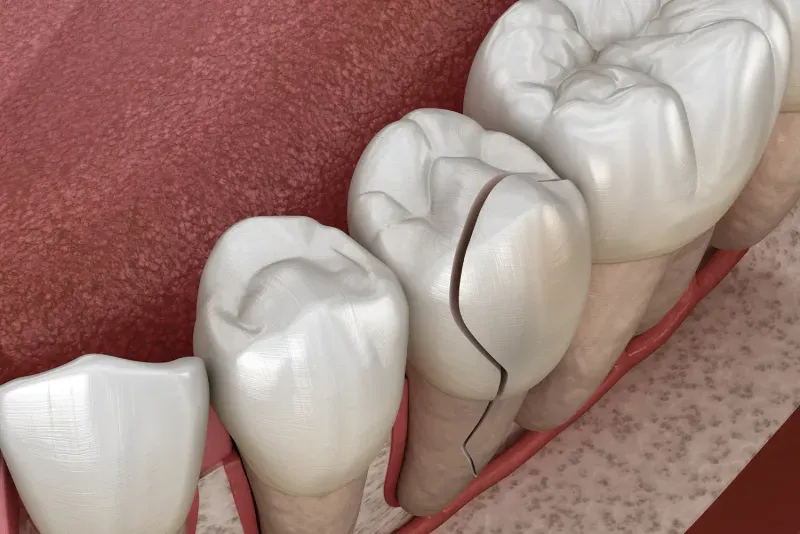
- Chips and cracks: Chips or cracks in the teeth are commonly treated with bonding. The resin used can be sculpted into place by the dentist to mimic the original shape of the tooth. It is often a virtually indistinguishable repair.
- Gaps between the teeth: Composite bonding can be used to close gaps in between teeth and restore the symmetry and balance to the patient’s smile.
- The misshapen tooth: Bonded composite material can be used to reconstruct and reshape the misshapen tooth, restoring symmetry and giving the patient an aesthetically pleasing smile.
- Discolored teeth: Bonded material can also be used for slightly discolored teeth. It can be applied over slightly discolored teeth to enhance their whiteness and improve their appearance.
How Composite Bonding Works: A Step-by-Step Overview
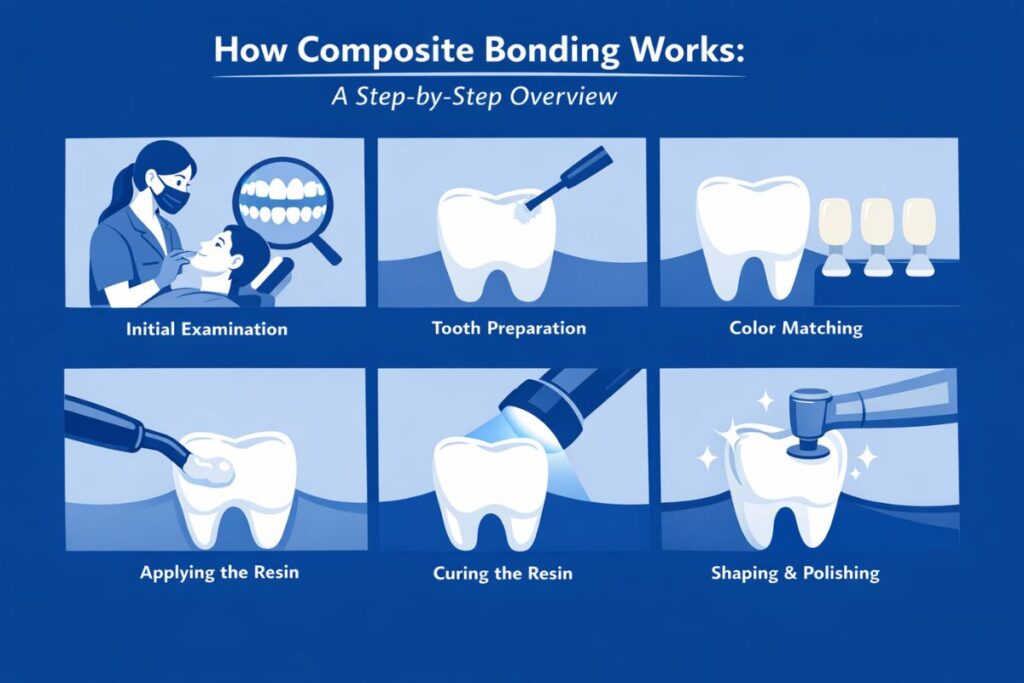
Composite bonding is a simple procedure for restoring your teeth to optimal oral health and aesthetic appeal. Your dentist will use tooth colored resin, which they sculpt to shape each individual tooth and restore its natural form and shade. Here is an outline of what you can expect during the composite bonding procedure:
- Initial examination: Your dentist will carry out an examination of your teeth to identify what exactly your needs and expectations are, and to ensure composite bonding is the most suitable procedure for you.
- Prepping the tooth: Dentists lightly etch each tooth to create a slightly porous surface for the resin to adhere to. They do not need to drill or remove enamel, making the bonding process non-invasive.
- Color matching: You and your dentist will carefully select a resin to match the natural color of your teeth, so any bonding is undetectable to the eye.
- Application of the resin: Your dentist will apply the resin directly to your tooth. They carefully shape and mold the resin to correct imperfections, restoring the teeth to a natural, pleasing shape and size.
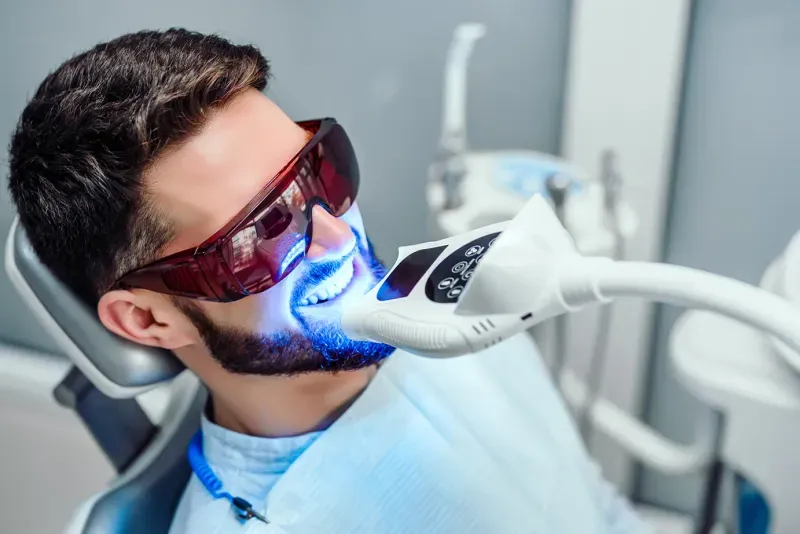
- Curing of the resin: Your dentist then applies a special light to harden the resin.
- Shaping and Polishing: Finally, your dentist carefully removes any rough edges and unevenness and polishes the bonding to match the natural appearance of your other teeth.
Transform Your Smile Now!
As of 2026, the trend towards composite bonding for a natural-looking, confident smile and healthy teeth remains. There isn’t a faster, easier, and less invasive way to repair a chipped tooth or make over your entire smile.
At Vibrant Smiles of Holland, we specialize in high-quality dental bonding to enhance your smile. Let us help you achieve the confident, natural-looking smile you’ve always wanted. Book an appointment today to find out if composite bonding is right for you. Speak with one of our dentists and take the first step toward your dream smile.
Questions People Ask About Composite Bonding
1. What is composite bonding?
Composite bonding is a cosmetic dental procedure that involves applying a tooth-colored resin to repair or improve the appearance of teeth. It’s a minimally invasive, effective solution for chipped, cracked, or discolored teeth.
2. How long does composite bonding last?
Composite bonding typically lasts between 5 and 10 years. It depends on the material used, your oral care habits, and the location of the bonding. Regular dental checkups help maintain the longevity of the bonding.
3. Does composite bonding require multiple visits?
In most cases, composite bonding can be completed in a single visit. The procedure is relatively quick and doesn’t require extensive preparation, making it an ideal choice for those with busy schedules.
4. Is composite bonding painful?
Composite bonding is generally not painful. The process involves minimal discomfort, and most patients report feeling little to no pain during the procedure. A local anesthetic may be used if necessary for sensitive areas.
5. Can composite bonding be used for teeth with cavities?
Yes, composite bonding can be used to fill cavities. It’s a versatile treatment that can restore the function and aesthetics of teeth with cavities or damage, providing both cosmetic and restorative benefits.
6. How do I care for my composite bonding?
To maintain the appearance and longevity of your composite bonding, practice good oral hygiene, avoid biting hard objects, and limit staining foods and drinks. Regular dental checkups will ensure the bonding remains intact and functional.