120 Buck Road Holland, PA 18966
So many patients ask us the same question: are you really a candidate for dental implants in Trevose? It is one of the most common concerns Dr. Jay Patel hears at Vibrant Smiles of Holland. The honest answer is that most adults qualify — but not everyone does right away. Understanding what makes a strong candidate helps you make a confident, informed decision.
Dental implants are a long-term solution for missing teeth. They look, feel, and function like natural teeth. But they require a surgical process that depends on specific health factors. This guide breaks down exactly what those factors are.
What Makes Someone a Good Candidate for Dental Implants in Trevose?
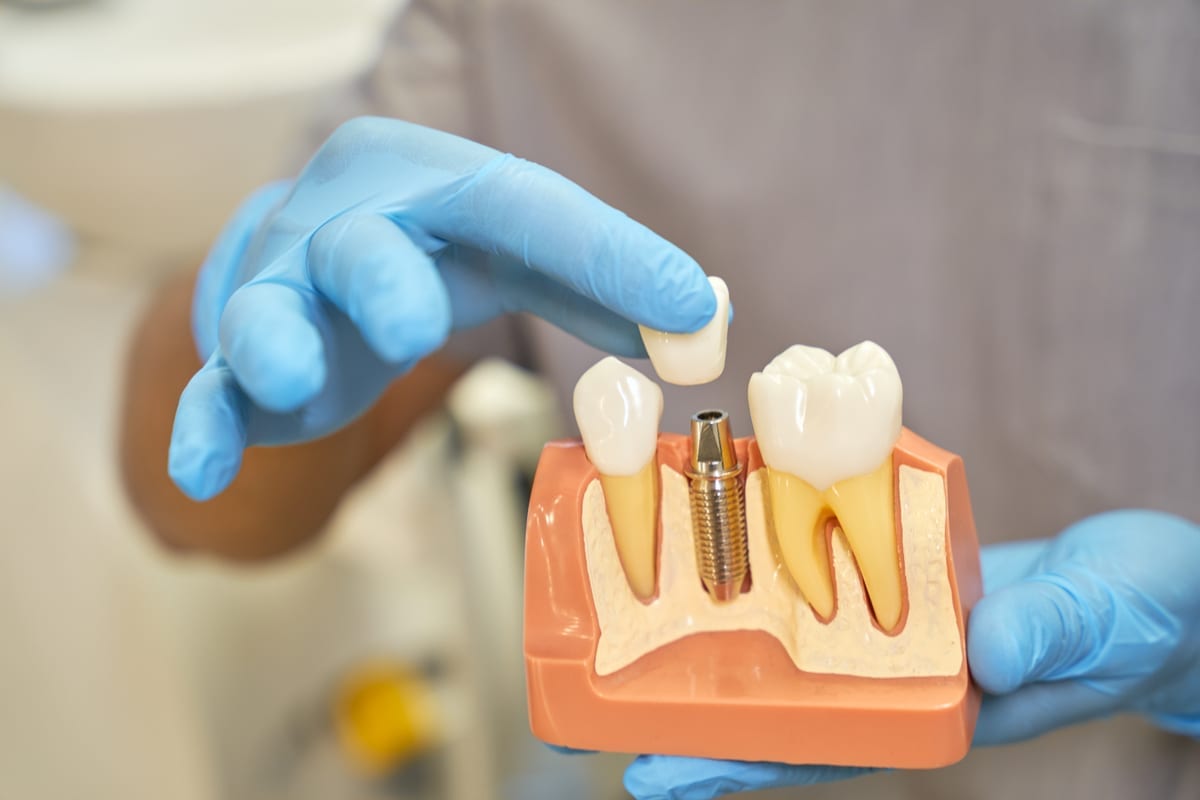
The foundation of a successful implant is a healthy jawbone. Implants are titanium posts that fuse directly with your bone. Without enough bone density, they cannot anchor properly. Dr. Patel evaluates this through digital X-rays and 3D imaging during your consultation.
Good general health is also important. Your body must be able to heal after the surgical placement. Patients with well-managed health conditions often qualify without any issues. The key word there is managed — stability matters more than a perfect health history.
Here are the core factors that support strong candidacy:
- Adequate jawbone volume and density
- Healthy gum tissue free of active infection
- Overall good systemic health
- No untreated tooth decay in surrounding teeth
- Commitment to long-term oral hygiene habits
Meeting most of these criteria puts you in a strong position. Missing one does not automatically disqualify you. It simply means we address that factor first before moving forward.
Does Age Affect Your Eligibility for Dental Implants?
Age is a common concern — but it works differently than most people expect. There is no upper age limit for dental implants. Many of Dr. Patel’s patients in their 60s, 70s, and beyond have had outstanding results. As long as your bone and health support the process, age alone is not a barrier.
The lower age boundary is more important. Implants are not recommended for patients whose jaws are still developing. For most people, that means waiting until their late teens or early 20s. Placing an implant too early can interfere with natural jaw growth.
Adults of all ages benefit from implants in important ways. Implants prevent bone loss that naturally follows tooth extraction. They protect neighboring teeth from shifting. They restore chewing function and self-confidence at any stage of life.
How Do Health Conditions and Smoking Impact Your Candidacy?
Certain health conditions require honest conversations before moving forward. Uncontrolled diabetes, for example, can slow healing after surgery. Patients with well-controlled diabetes, however, often qualify without significant complications. The difference lies in how well the condition is managed day to day.
Autoimmune disorders and medications that affect bone density also deserve attention. Dr. Patel reviews your full medical history at your consultation. Some medications — particularly bisphosphonates used for osteoporosis — can affect how bone heals around an implant. Transparency about your health history helps us plan the safest path for you.
Smoking is one of the most significant risk factors for implant failure. Tobacco use restricts blood flow to gum tissue. That reduced circulation directly impairs healing after implant placement. Research consistently shows higher failure rates among smokers compared to non-smokers.
The good news: quitting or significantly reducing smoking before and after surgery improves outcomes dramatically. Dr. Patel will discuss realistic expectations with you honestly. We never want to discourage a patient — we want to give you the full picture so you can succeed.
What If You Don’t Have Enough Bone Density?
Low bone density is one of the most common reasons patients assume they are not candidates. But this is often a solvable problem. Bone grafting allows us to rebuild lost jawbone before placing an implant. This adds time to the overall process — but it opens the door for patients who were previously told no.
Bone loss typically follows tooth extraction. The longer a tooth has been missing, the more bone may have resorbed. This is why timing matters when considering implants after an extraction. Replacing the tooth sooner generally preserves more natural bone.
The grafting process itself is well-established and routine. Dr. Patel uses it regularly for patients throughout the Trevose area. After grafting heals — usually over several months — the implant placement can proceed as normal. Many patients who thought they were not candidates become excellent candidates after this step.
Implants Compared to Other Tooth Replacement Options
Understanding your alternatives helps put implants in context. Dentures and bridges are effective for many patients. But they come with trade-offs that implants avoid. Knowing the differences helps you evaluate whether implants fit your goals.
- Dental implants — permanent, preserve bone, no adhesives, feel like natural teeth
- Dental bridges — require filing down adjacent healthy teeth, do not prevent bone loss
- Dentures — removable, may shift over time, require maintenance and periodic replacement
- Implant-supported dentures — a hybrid option combining stability with broader coverage
If you are also exploring how your smile looks after restoration, Cosmetic Dentistry Trevose services at Vibrant Smiles of Holland can complement your implant results beautifully. Veneers, bonding, and whitening can enhance your overall appearance alongside functional restoration.
Patients dealing with dental pain or tooth damage that needs urgent attention may also need Emergency Dentistry Trevose services before pursuing elective implant planning. Addressing acute issues first ensures a stable foundation for long-term treatment.
What to Expect During Your Implant Consultation
Your first step is a thorough evaluation with Dr. Patel. The consultation is not a commitment — it is simply information gathering. We review your dental and medical history, take imaging, and assess your bone and gum health. From there, we build a custom treatment plan tailored to you.
Here is what typically happens during the process:
- Initial consultation and imaging at Vibrant Smiles of Holland
- Treatment planning — including any preparatory steps like grafting
- Implant post placement under local anesthesia
- Healing period as the implant fuses with the jawbone (osseointegration)
- Abutment placement and custom crown attachment
Most patients are surprised by how manageable the process is. Discomfort is typically mild and controlled with over-the-counter medication. Recovery timelines vary based on individual health factors. Dr. Patel walks you through every stage so there are no surprises.
Conclusion: Find Out If Implants Are Right for You
Wondering whether you are really a candidate for dental implants in Trevose is the right question to be asking. It shows you are approaching this decision carefully. The only way to know for certain is to have a qualified dentist evaluate your specific situation. Dr. Jay Patel and the team at Vibrant Smiles of Holland are here to give you honest, personalized answers. Book Now to schedule your appointment with our team.
Frequently Asked Questions
Can older adults get dental implants?
Yes. There is no upper age limit for dental implants. As long as a patient has adequate bone density and good general health, age alone does not disqualify someone. Many of Dr. Patel’s patients in their 60s, 70s, and older have had successful implant outcomes.
Does smoking automatically disqualify me from getting implants?
Smoking significantly increases the risk of implant failure, but it does not automatically disqualify you. Dr. Patel will discuss your specific situation honestly. Reducing or stopping tobacco use before and after surgery greatly improves your chances of a successful outcome.
What if I’ve been told I don’t have enough bone for implants?
Many patients in this situation are still candidates after bone grafting. Grafting rebuilds lost jawbone so the implant has a solid foundation. It does extend the overall timeline, but it is a well-established procedure that opens the door for patients who were previously told no.
Are dental implants painful to place?
Most patients report less discomfort than they expected. The placement is performed under local anesthesia, so you should not feel pain during the procedure. Mild soreness afterward is common and typically manageable with over-the-counter medication.
How long do dental implants last?
With proper care, dental implants can last decades — and often a lifetime. The crown portion may need replacement after 15 to 20 years with regular wear. Consistent brushing, flossing, and professional cleanings are the biggest factors in long-term implant success.