
120 Buck Road Holland, PA 18966
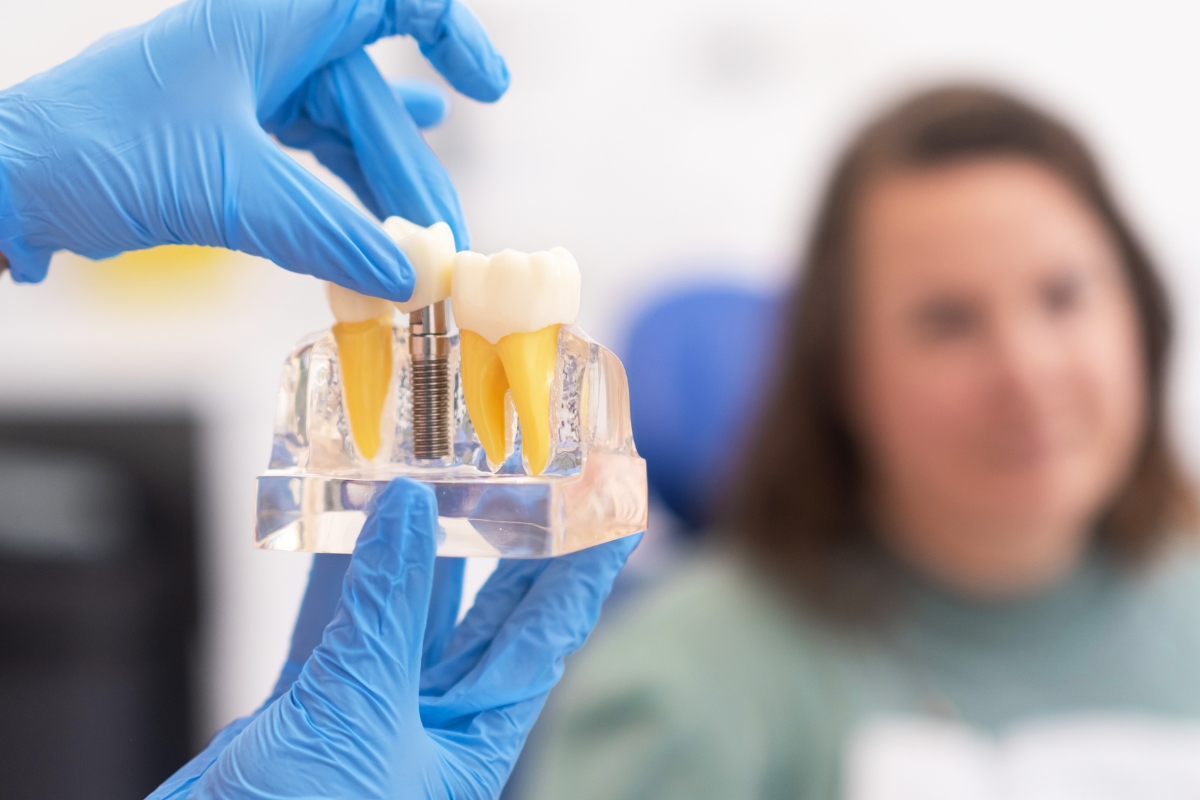
Oral health plays a crucial role in maintaining your overall well-being. Dental implants are among the most revolutionary tooth-replacement solutions developed in the last few decades. Instead of dentures or bridges, dental implants are a more permanent way of restoring teeth that look and feel like natural teeth. If you are in Holland, PA, and searching for the most effective way to restore missing teeth, then implants may just be your perfect answer.
Dental implants have become more popular over the years because they offer an effective, natural, and long-lasting restoration of teeth lost for various reasons, such as old age, accidents, or poor oral health. They are a highly advanced method of tooth replacement that provides function and stability.
Why are Dental Implants So Special?
A dental implant is an artificial root that is surgically inserted into your jawbone to support a replacement tooth. Dental implants use a titanium post that acts as the root. Once this post has fused to your jawbone, a process called osseointegration, a custom-made tooth, also called a crown, is attached. The integration to the bone means that implants are a fixed and secure method of replacing lost teeth.
Dental implants do not shift like dentures or require modification of nearby teeth as a bridge does. It allows you to chew, talk, and smile as you normally would, without worry or fear that the restoration will become loose or displaced. Your dental implants in Holland, PA, can replace a single tooth, multiple teeth, or even a full arch of teeth.
The Benefits of Dental Implants
Dental implants provide more than just the ability to have a full set of teeth. There are several other health and aesthetic benefits that go along with this tooth replacement option:
- Natural look and feel: Implants are designed to blend in seamlessly with your other teeth in appearance and feel. Their integration with your jawbone will give you the sensation and security of having natural teeth.
- Preserve oral health: When you lose a tooth, the jawbone in that area deteriorates. The osseointegration of an implant helps to preserve your jawbone. It also prevents adjacent teeth from shifting into the empty gap.
- Long-lasting: Bridges will need to be replaced every 5-10 years, and dentures will need to be adjusted annually. Dental implants can last a lifetime with good care, making them an investment.
- Comfort and stability: You do not need to worry about the restoration becoming loose while you speak, eat, or laugh. Implants integrate with your bone, allowing you to get a full restoration without compromise.
- Facial structure is maintained: Tooth loss does not cause the facial structure in the affected areas to deteriorate. This may make the facial structure appear sunken and the cheeks hollow. Keeping your jawbone structure with implants can prevent such deterioration.
- Preserves nearby teeth: unlike a dental bridge that needs the neighbouring teeth to be altered and shaved down, a dental implant is supported on its own, and no neighboring teeth need to be changed in any way.
Dental Implants Process: What to Expect
Dental implants are surgically placed and will eventually bond with the jawbone, becoming a permanent part of the mouth. There are a few stages in the dental implant process, and each one serves a purpose that helps ensure the implant bonds and lasts a long time. Here is what you can expect when you undergo this dental implant procedure.
1. First Appointment
During the first appointment, your implant dentist will examine the state of your teeth and jawbone. 3D x-rays or a conventional x-ray will be taken to enable meticulous, strategic planning for the entire implant procedure.
2. Surgical Placement of the Implant
A precisely manufactured titanium post is surgically implanted into the jawbone and serves as a stable root for the tooth to be replaced. Careful placement is required to optimize stability and function.
3. Healing and Osseointegration
The body undergoes a process of osseointegration that permanently fuses your titanium dental implant to the jawbone, making it part of your mouth’s anatomy for life. This can take up to six months or longer, and the duration will depend on many factors related to your oral health.
4. Attaching the Crown or Bridge
Once the bone has fully bonded and the implant is stable, an impression will be made. This impression is sent to our dental laboratory, where a custom crown or bridge will be fabricated for you. The crown/bridge is then attached to the abutment.
5. Final Adjustment and Follow-Up
After the crown/bridge has been fitted and you have had an opportunity to evaluate its comfort, appearance, and feel, further adjustments will be made to ensure everything is properly positioned and that your bite is correctly balanced. The most important thing during the checkup is to ensure that the implant does not pose any future health risks, for example, any bone loss around the implant or implant mobility.
6. Maintaining Your Dental Implants
After you have had a dental implant procedure and the implant is properly placed and structurally sound, the final step in ensuring a healthy implant is maintenance. It is very important to brush and floss daily. Brushing should focus not just on your implant, but on all of your natural teeth and gum tissue. You also want to make sure you have regular dental check-ups with the dentist who performed your implant surgery so they can track your implant’s progress.
A Lifetime Solution for Your Smile
Dental implants are a long-lasting and reliable replacement for missing teeth. This makes them one of the best ways to improve the form and function of the mouth and to achieve a bright, healthy smile. If you have missing teeth and would like to discuss your options, dental implants in Holland, PA, may be the best and most practical solution.
Vibrant Smiles of Holland provides a full spectrum of high-quality dental implant care and can assist patients in Holland, PA, who need teeth replaced. Call us today for a consultation and take one step closer to a fuller smile.
Questions People Ask About Dental Implants
What are dental implants made of?
Dental implants are typically made of titanium, a biocompatible material that allows them to fuse with the jawbone through osseointegration. This provides a stable and durable foundation for replacement teeth.
How long do dental implants last?
With proper care and maintenance, dental implants can last a lifetime. Regular check-ups and good oral hygiene are essential to ensuring the longevity of your implants.
Are dental implants painful?
While there may be some discomfort during the procedure, dental implants are generally well-tolerated. Your dentist will provide pain management during and after the surgery to ensure you’re as comfortable as possible.
Can anyone get dental implants?
Most people are candidates for dental implants, provided they have sufficient bone density in their jaw. A consultation with your dentist will determine if implants are right for you.
How long does the dental implant process take?
The process of getting dental implants typically takes several months, as it involves a healing period between the implant placement and the final restoration. However, this process ensures the stability and success of the implant.
Does insurance cover dental implants?
Dental implants may be covered by some dental insurance plans, but coverage varies. It’s best to check with your insurance provider to understand your benefits and explore financing options if needed.