
120 Buck Road Holland, PA 18966
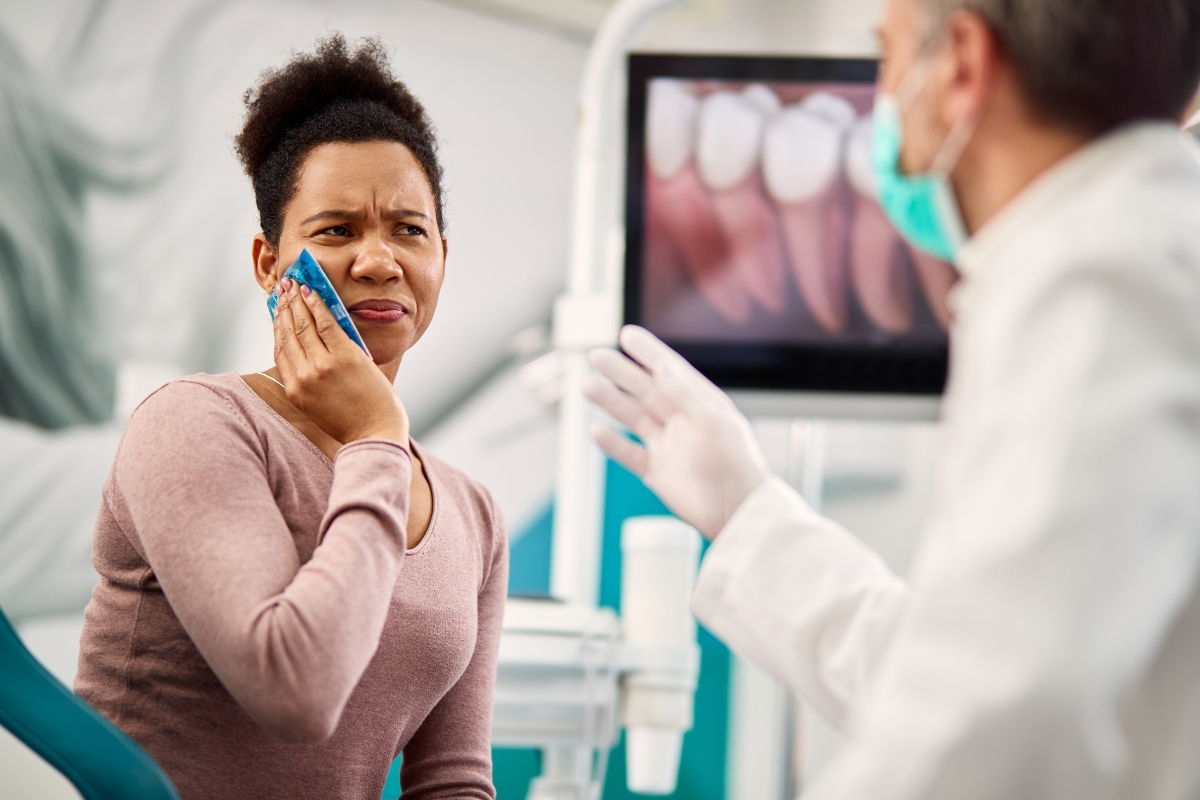
A toothache can arise unexpectedly, and confusion about whether it is an urgent issue causes anxiety. Tooth pain in the form of sharp throbs, dull aches, or continuous pain has made it very hard for individuals to decide whether it is merely a passing trouble or a matter of urgency. The reality is that some dental issues call for immediate attention; others are okay to deal with until the next regular dental appointment.
Understanding how and why sudden toothaches occur, and when it is crucial to seek urgent care or a dentist, may mark a significant turn in your treatment and recovery. We will outline most of the common causes for sudden toothaches, a method for distinguishing pain you can manage from a dental emergency, and the reasons why you should get an emergency dentist in Holland, PA when necessary.
Causes of Sudden Toothache
Toothaches often arise out of the blue, and a deep understanding of what can trigger them helps individuals decide whether it is something that requires an emergency visit. Mentioned below are the common causes for sudden toothaches:
- Tooth decay: It is often the primary cause of sudden dental pain as it progresses and erodes the tooth enamel, exposing the internal structure. This is usually accompanied by shooting pain while consuming something hot, cold, or sweet.
- Cracked or chipped tooth: An accidental bump to your teeth or normal wear and tear can crack or chip them. If your teeth are cracked or chipped, you may feel some pain when you chew. When a fracture or crack reaches the inner nerve of a tooth, it can result in sharp toothaches.
- Dental abscess: A dental abscess is a result of infection that reaches the root of the tooth and can trigger intense throbbing pain and swollen cheeks. A left-untreated dental abscess could lead to more grave health risks.
How to Get Immediate Toothache Relief at Home
When a toothache hits, it can cause unimaginable pain, but you can help ease the ache before seeking professional help from your dentist. The following methods may help ease the discomfort until you can visit an emergency dentist in Holland, PA:
- Use a cold compress: Placing a cold compress on the outside of your cheek, next to the aching tooth, may reduce discomfort and numb the area. Hold the cold compress in place for 15-20 minutes, then remove it and reapply.
- Over-the-counter painkillers: Medicines such as ibuprofen or acetaminophen can help relieve a toothache and swelling. Always follow the instructions on the packet; seek your dentist’s advice if you have any medical conditions.
- Rinse your mouth with salt water: Gargling warm salt water will clean and soothe irritated gums and also help remove any food fragments that may be causing irritation. Take half a teaspoon of salt and mix it into a cup of warm water; swish it around in your mouth for 30 seconds.
- Use clove oil: Clove oil contains a natural pain-relieving compound called eugenol. You can apply a small amount onto a cotton ball and gently dab it on the tooth that is hurting; the area should feel numb for a few hours.
- Avoid certain foods: Avoid foods and drinks that could trigger your toothache. Hot or cold, sweet or acidic foods and drinks can cause a toothache, so stick to soft, cool foods to avoid any pain in your tooth.
While these home remedies may offer temporary relief, you should consult an emergency dentist to get a proper diagnosis of the underlying cause of the toothache and to prevent further complications or issues later.
When To Seek Emergency Dental Help
Sometimes a toothache can be eased by over-the-counter painkillers, but at other times you should seek help from a Holland, PA emergency dentist. If any of the following apply, you should contact an emergency dentist:
- Severe, persistent pain: If the pain cannot be eased by painkillers and doesn’t go away, then the issue can be serious. This could be caused by a number of things, but it typically represents serious damage, such as infection or deep decay.
- Swelling or abscess: Swelling around the mouth or face with a high temperature indicates an infection that requires urgent dental intervention.
- Knocked-out or broken tooth: If your tooth has been broken or dislodged, it is critical to seek emergency dental care in Holland, PA as soon as possible to increase the chances of reimplanting the tooth or repairing the broken section.
- Bleeding gums: Continuous bleeding from the gums could indicate gum disease or another form of injury that needs to be addressed by a dentist.
What to Expect During an Emergency Dental Visit
When you suddenly feel pain in your tooth, it’s common to feel a little anxious when you go in for an emergency dental appointment. Knowing what to expect at the dentist during an emergency appointment should make you feel more comfortable about what is to come. The following are things to expect when you see your dentist at an emergency appointment.
- First consultation: Your dentist will ask about your symptoms and oral health history. This will help determine the root of your pain.
- Examination and diagnostics: A thorough examination will be performed on the area causing your pain. X-rays will most likely be used to check for tooth decay, infection, or a fracture.
- Pain relief: The most important aspect is relieving the pain you are feeling. Your dentist will likely use a local anesthetic on the painful area so it does not cause you pain during treatment.
- Treatment plan: The problem will be resolved once the cause is identified. Your dentist will determine which procedure is right for your problem, such as receiving a filling, root canal, or even an extraction, depending on the situation.
- Post-treatment instructions: Instructions on how to care for the area and any follow-up appointments needed will be given to you.
An emergency dental visit primarily focuses on relieving your pain and fixing your dental issue. There is no reason to delay an emergency dental visit if you feel you need it.
Seeking Relief from Sudden Tooth Pain
Sudden toothaches can range from slight discomfort in your mouth to very intense pain that makes it difficult to eat, speak, or sleep. Some toothaches will resolve on their own, but others will likely require a professional emergency dentist.
At Vibrant Smiles of Holland, we know just how painful and disturbing a sudden toothache can feel. That’s why we have emergency dental care so we can get you feeling good as new! For more questions or to book an appointment, call us today so our team can address your emergency dental issue as soon as possible.
Questions People Ask About Tooth Pain Recovery
1. What should I do if I have a toothache?
If you have a toothache, rinse your mouth with warm water, floss gently to remove any trapped food, and take over-the-counter pain relievers. If the pain persists, it’s best to consult an emergency dentist.
2. How do I know if my tooth pain is an emergency?
Tooth pain that is severe, persistent, or accompanied by swelling, bleeding, or fever is typically considered an emergency. If you feel any of these symptoms, seek immediate care from a dentist.
3. Can a cracked tooth cause severe pain?
Yes, a cracked tooth can cause sharp pain, especially when chewing or exposed to temperature changes. If you feel pain from a crack, it’s important to visit an emergency dentist as soon as possible.
4. What is a dental abscess, and how does it cause pain?
A dental abscess is a pus-filled infection at the root of the tooth. It can cause severe, throbbing pain and swelling. If left untreated, an abscess can lead to further complications and require immediate dental care.
5. Is tooth sensitivity the same as tooth pain?
Tooth sensitivity involves discomfort when consuming hot, cold, or sweet foods, whereas tooth pain can be constant and sharp. Sensitivity can be a sign of decay or gum recession, but if the pain worsens, it’s best to seek professional help.
6. Can tooth pain go away on its own?
In some cases, mild tooth pain may go away on its own. However, if the pain is severe or doesn’t improve, it’s important to visit an emergency dentist to determine the underlying cause and prevent further complications.