120 Buck Road Holland, PA 18966

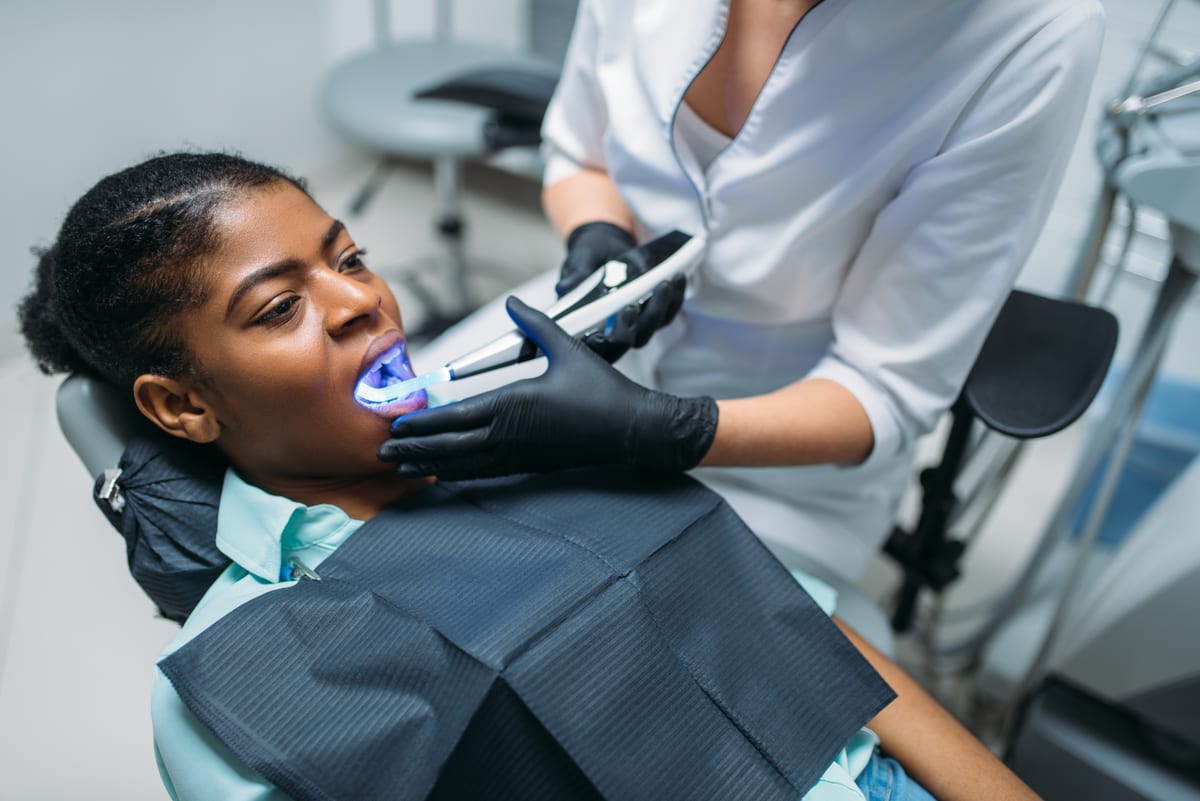
Visiting the dentist may seem like a daunting task. Whether it is the sound of the tools, the alien-like chairs, or just thinking about what the dentist will do to you, the anxiety can take over. If this sounds like you, then you’re definitely not alone, as a majority of Americans face dental anxiety at some point. However, if you let this control you, it can cause bigger issues down the road.
If you live in or around the Holland, PA area, there are a variety of options you can pursue to help manage dental anxiety and have more relaxed visits to your dentist. In this blog, you will learn about some of the best ways to manage dental anxiety.
How to Deal with Dental Anxiety to Stay Calm?
Since dental anxiety may feel overwhelming, there are various ways you can overcome it. Here are some common ways to manage your dental anxiety:
1. Talk to Your Dentist
The best way to ease your dental anxiety is by talking to your dentist in Holland, PA. Before you even get in the dentist’s chair, mention the fact that you have dental anxiety to the team at Vibrant Smiles of Holland. Whether you have an anxiety about pain, the dental tools, or feel claustrophobic in the chair, your dentist and their staff are there to reassure you and make you more comfortable.
Some strategies your dentist can use to reduce anxiety include talking you through the steps and using music or headphones. By understanding the procedures, you can rest assured that your dental visit will go smoothly and be stress-free.
2. Use Relaxation Techniques
The power of relaxation can be helpful for people with dental anxiety. Deep breathing can be very useful for lowering anxiety levels when going into a dental appointment. Taking a breath in for 5-10 seconds, holding it for a few seconds, and letting it out for the same duration has been shown to calm a person.
Progressive Muscle Relaxation is another method you can use. When doing this, you will focus on specific muscles in your body, tighten them for a few seconds, then completely relax. You should feel tension drain from those muscles as they relax, and when that happens, you can start concentrating on the next set of muscles.
3. Consider Sedation Dentistry
Patients who have very severe dental anxiety may consider sedation dentistry. Sedation is used in dentists’ offices for a variety of reasons, the most common one being to help ease the fears of anxious patients. Different types of dental sedation include IV sedation, laughing gas, oral sedation, and topical anesthesia to numb the skin.
4. Bring a Comfort Item
Sometimes just having a familiar object with you can help you feel grounded and less anxious. Whether it’s a stress ball, a small stuffed animal, or even a friend or family member to hold your hand, bringing something or someone with you to help comfort you can be a great relief.
5. Take Small Steps
If a whole dental appointment is a bit overwhelming to think about, consider it in smaller steps. Come in for a cleaning or a consultation. Work up to more complicated procedures as you grow more comfortable. Taking small steps will build confidence in yourself and your dentist while reducing your anxieties over time. Small steps like these help you become acclimated to the dental environment at your own pace, reducing anxiety. A Holland, PA dentist can assist you in making this process work.
6. Avoid Caffeine Before Your Visit
Caffeine has a way of making anxiety spike, as well as making you jittery. If you have a dental appointment booked, skip those coffees and sodas on your way to the dental office on the day of your appointment. They can add to your stress and make you feel unable to relax. Instead, opt for some water or tea to ease your anxieties.
7. Keep Yourself Distracted
Distraction is key to easing anxieties during a dental appointment. Many dentists have entertainment in the room to keep patients distracted during dental treatment. You can also bring your own book, magazine, or phone to keep yourself distracted during your appointment.
8. Cognitive Behavioral Therapy
Cognitive Behavioral Therapy, or CBT, has been proven to be an effective method for overcoming fears. This form of therapy allows patients to confront and alter irrational or negative thoughts they have about dental visits, like fear of the worst-case scenario. This will give them more positive, realistic thoughts about visiting the dentist. Many offices offer this therapy to patients, or you can see a therapist on your own time.
Embrace a Stress-Free Dental Treatment
You do not have to handle dental anxiety by yourself; we are ready to give you a smile that is worry-free! There are ways for you to relax when you need to have dental work done at your local dentist in Holland, PA. Here at Vibrant Smiles of Holland, we are equipped to provide the exact care you need and expect.
To take your first step toward eliminating dental anxiety, call us today to schedule an appointment. Whether you just need a regular check-up or require more dental attention, our team is more than ready to help.
Questions People Ask About Dental Anxiety Relief
1. How can I manage dental anxiety during my visit?
The best way to manage dental anxiety is to communicate with your dentist and share your concerns. Relaxation techniques such as deep breathing and progressive muscle relaxation can also help reduce stress.
2. Does Vibrant Smiles of Holland offer sedation for anxious patients?
Yes, sedation options are available for patients with dental anxiety. Your dentist will discuss your needs and help you choose the best option to ensure a comfortable visit.
3. What should I do if I feel nervous before my dental appointment?
It’s helpful to arrive early and take a few moments to relax. You can also bring a comfort item, like music or a stress ball, to help you stay calm.
4. Is it possible to start with a simple procedure to overcome dental anxiety?
Yes, many patients start with basic services like cleanings or consultations to build trust and comfort with the dentist. Gradually, more complex treatments can be introduced as anxiety decreases.
5. How can cognitive behavioral therapy help with dental anxiety?
CBT helps individuals recognize and challenge negative thoughts related to dental visits. Over time, this can help you replace anxious thoughts with more positive, realistic ones.
6. How does avoiding caffeine help with dental anxiety?
Caffeine can increase feelings of anxiety and restlessness. By avoiding caffeine before your appointment, you can help keep your nerves in check and make it easier to relax during the visit.